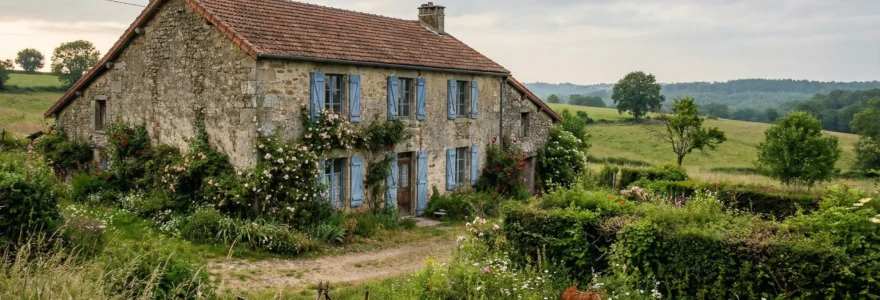
Endless scrolling through property portals. Hundreds of listings. No context about which village has a decent boulangerie and which one empties out completely in winter. Sound familiar? I speak with buyers every week who arrive overwhelmed, having spent months looking at properties online without understanding the fundamental differences between these two regions. The frustration is real. The good news? Once you understand what separates Limousin from Dordogne—and what your budget genuinely buys in each—the search becomes far more focused.
Limousin and Dordogne at a glance:
- Entry-level habitable properties from around €45,000 in Limousin; expect €80,000+ for similar in Dordogne
- Purchase timeline: typically 3-4 months from accepted offer to completion
- Budget 7-8% extra for notaire fees and taxes on older properties
- Ten-day cooling off period protects you after signing the compromis
Why Limousin and Dordogne attract property buyers from abroad
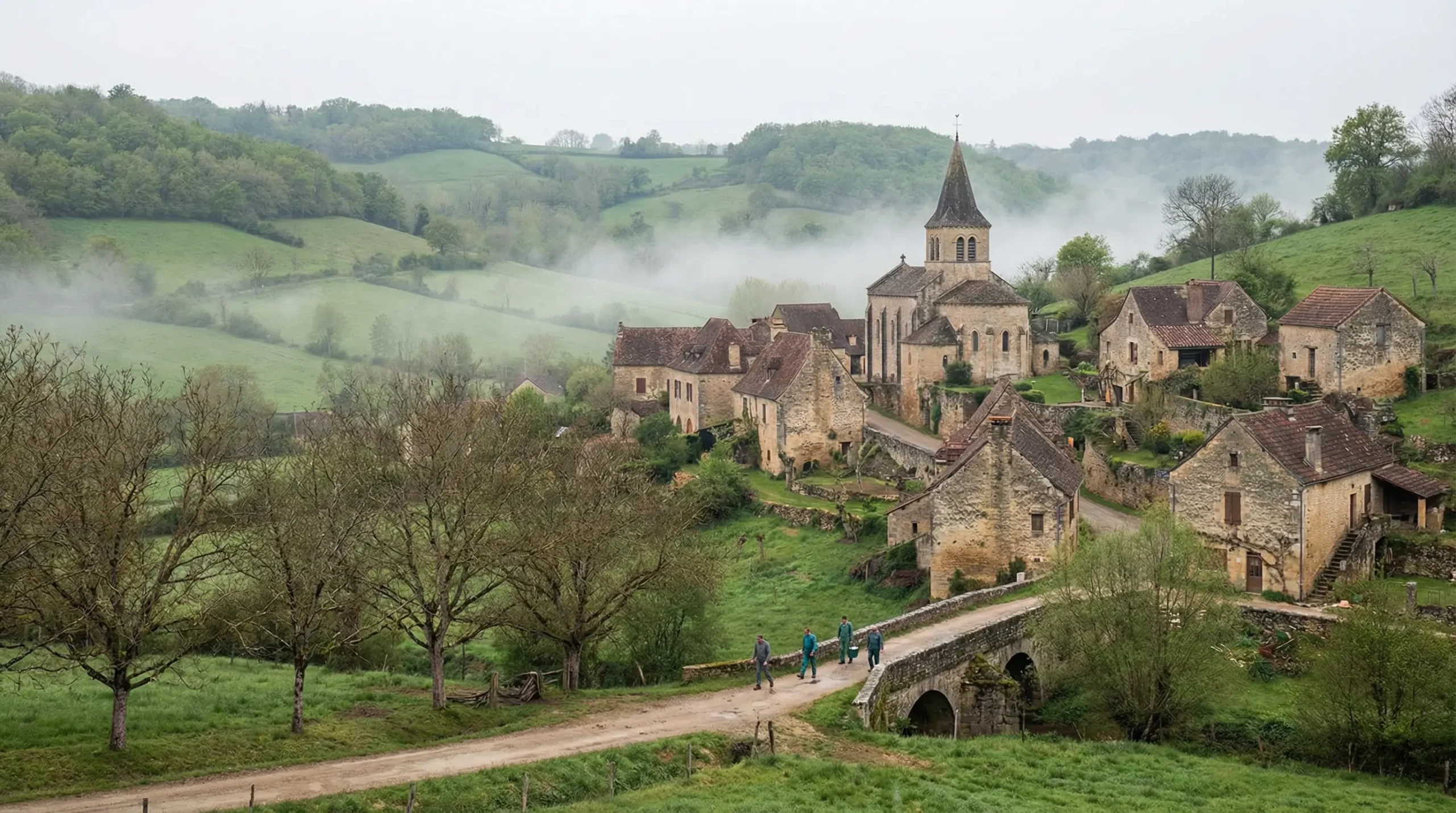
The appeal is straightforward. Authentic stone houses with character. Affordable prices compared to the UK or northern France. A pace of life that actually allows you to enjoy retirement rather than simply survive it. When accompanying clients on viewings, I notice the moment it clicks—usually standing in a walled garden with fruit trees, realising this would cost three times as much back home.
1,628€/m²
Average house price per square metre in Dordogne
Both regions offer what Provence and the Côte d’Azur cannot: space, affordability, and communities that haven’t been entirely reshaped by tourism. Limousin remains genuinely rural—the Corrèze and Haute-Vienne departments offer rolling farmland, deep forests, and villages where the weekly market is still a social event rather than a tourist attraction. Dordogne brings more established infrastructure for English speakers, particularly around Ribérac and Eymet, though this comes with higher prices.
Before viewing any property, understanding the criteria to check before buying property saves considerable time and prevents emotional decisions that lead to regret.
Limousin vs Dordogne: which region suits your budget and lifestyle
Frankly, if your budget sits below €150,000 and you want something habitable from day one, Limousin delivers better value. I say this having shown properties in both regions for years. The Dordogne name carries weight—and sellers know it. That premium of perhaps 20-30% for a comparable property reflects reputation more than tangible advantage.
My honest take on choosing between regions: Buyers seeking an established expat community gravitate towards Dordogne’s Ribérac-Eymet corridor. Those wanting authentic immersion in French life—where speaking some French genuinely matters—find Limousin more rewarding. Neither choice is wrong. They suit different people.
According to February 2026 price data from Le Figaro, Dordogne house prices average €1,628 per square metre, with significant local variation: Sarlat commands €2,046/m² while Eymet sits at €1,595/m². Limousin typically runs 25-35% lower for equivalent properties.
| Criterion | Limousin | Dordogne | Best for |
|---|---|---|---|
| Average price | €1,100-1,400/m² | €1,600-2,000/m² | Budget-conscious: Limousin |
| Expat community | Sparse | Well-established | Social support: Dordogne |
| UK accessibility | Limoges airport | Bergerac + Limoges | Regular travel: Dordogne |
| Character stock | Abundant | High demand | Choice: Limousin |
| Tourism infrastructure | Limited | Strong | Gîte income: Dordogne |
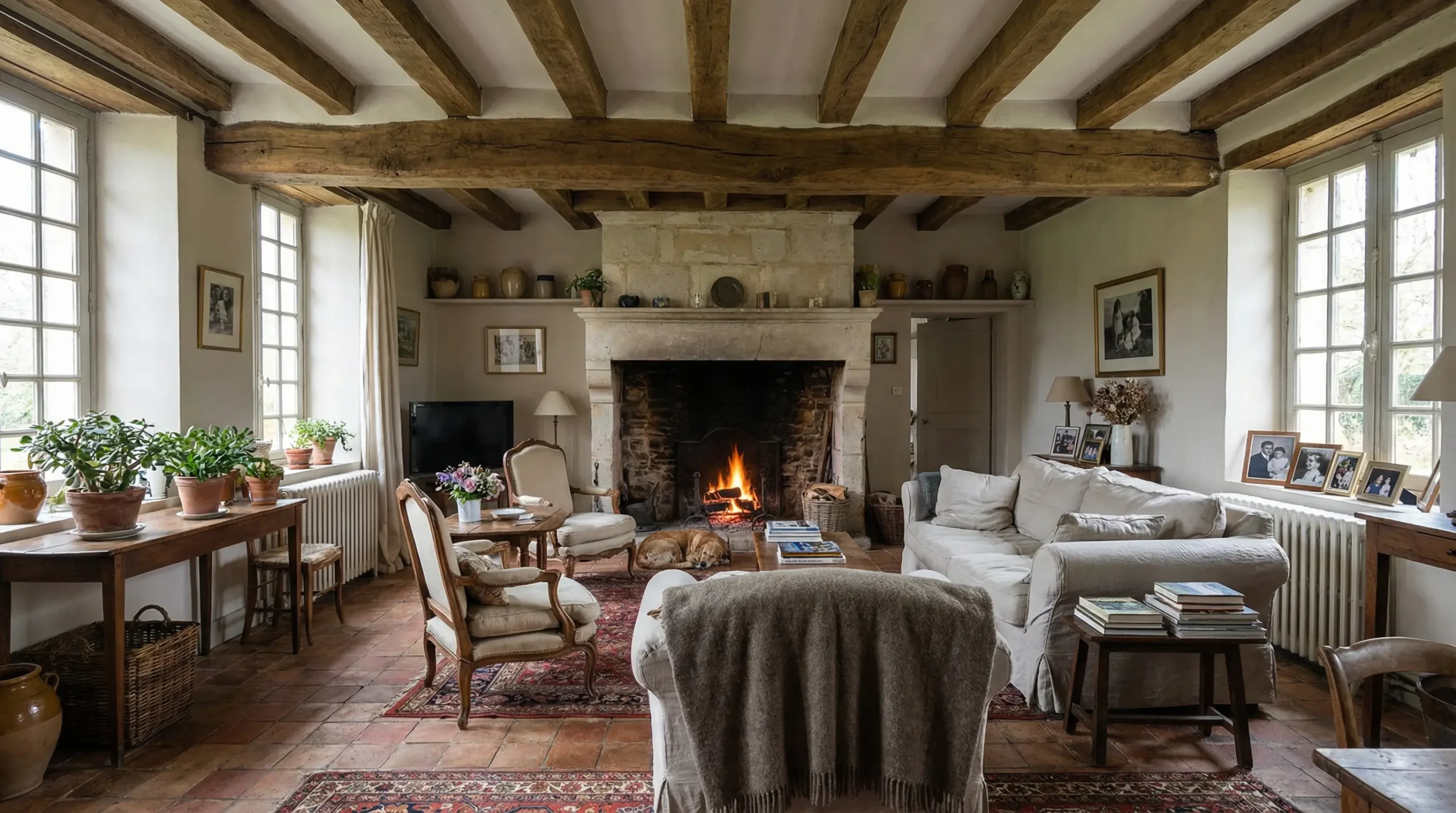
The current listings at limousinpropertyagents.com illustrate this range clearly—from renovation projects requiring vision and budget through to habitable properties ready for immediate occupation.
What your money actually buys in these regions
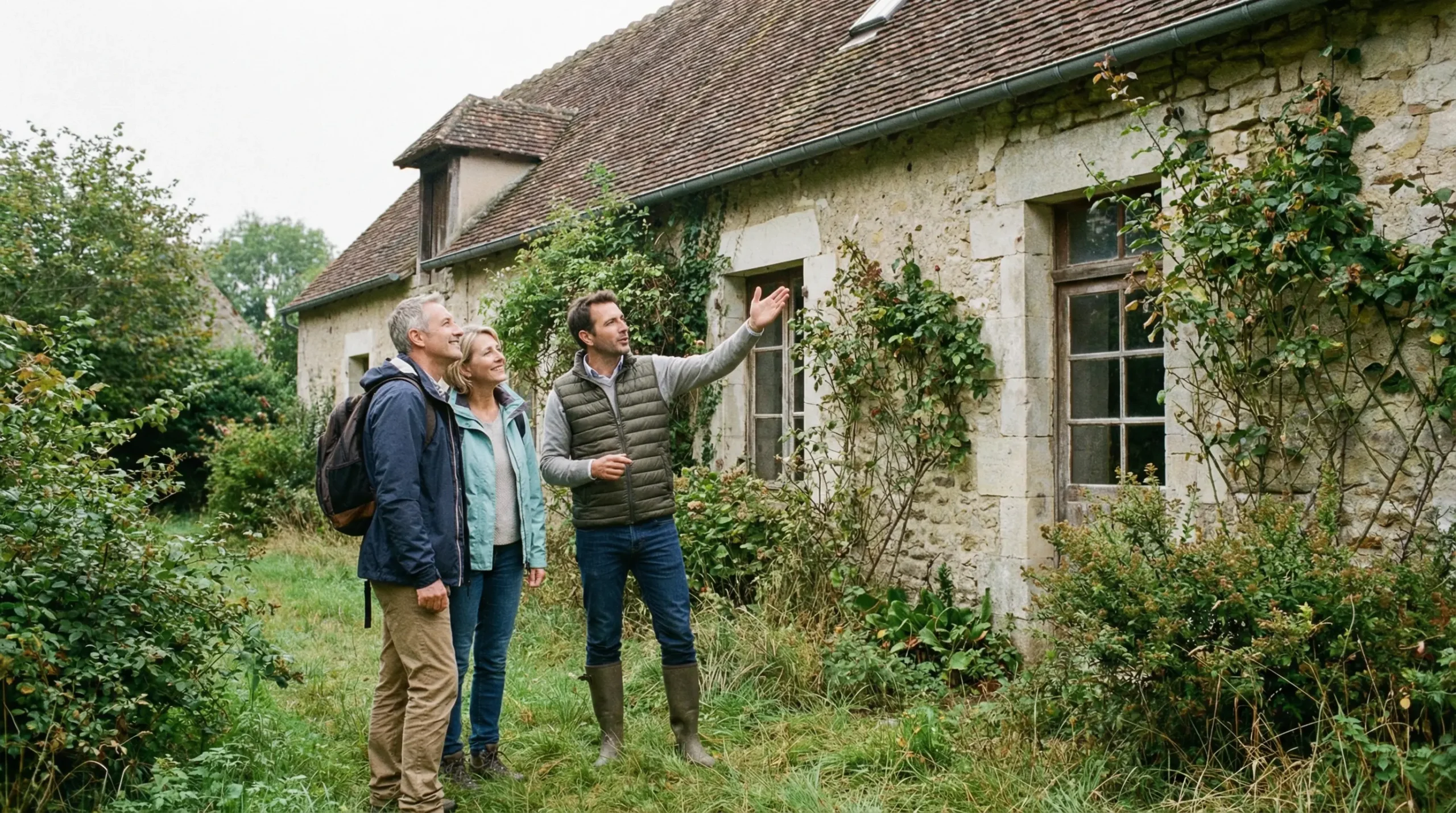
I accompanied a retired couple from Hampshire last spring. They arrived convinced only Dordogne would do—name recognition from holiday memories. Their budget? €180,000 maximum. In Dordogne, this bought a small village house needing new windows and roof work. Crossing into Corrèze, the same money secured a four-bedroom stone longère with outbuildings, habitable immediately, with funds remaining for improvements. Same distance from Limoges airport. Different outcome entirely.
What different budgets buy in early 2026:
- €45,000-70,000: Renovation projects in Limousin—habitable shell, new roof often needed
- €100,000-150,000: Habitable stone house in Limousin; renovation project in Dordogne
- €180,000-250,000: Substantial property in Limousin with land; decent house in Dordogne
- €300,000+: Maison de maître or large estate in either region
The purchase price tells only part of the story. According to official guidance from Notaires de France, acquisition costs run around 7-8% for older properties, dropping to 2-3% for new builds. This covers notaire remuneration, transfer taxes, and administrative fees. On a €150,000 purchase, budget an additional €10,500-12,000.
Costs that catch buyers out: The most common mistake I see? Underestimating total acquisition costs. Beyond the 7-8% for notaire fees, factor in: mandatory property diagnostics (€300-600), potential survey costs, currency exchange margins if transferring pounds, and—critically—realistic renovation budgets if work is needed. A charming ruin at €40,000 becomes far less charming when €80,000 of structural work reveals itself.
For further guidance on the negotiation stage, readers can consult tips for negotiating your home purchase.
Your questions about buying property in Limousin and Dordogne
Your questions about buying in Limousin and Dordogne
Can I get a mortgage in France as a non-resident?
French banks do lend to non-residents, though requirements have tightened. Expect requests for larger deposits (often 20-30%), proof of income, and longer processing times than UK mortgages. Many buyers in this price range purchase outright or arrange UK financing against existing assets.
How has Brexit affected buying property in France?
The property purchase process itself remains unchanged—UK citizens can still buy freely. Administrative requirements have increased for those planning extended stays beyond 90 days, and healthcare access differs from pre-Brexit arrangements. The purchase transaction, however, follows the same notaire-led process.
What additional costs should I budget beyond the property price?
Budget 7-8% for acquisition costs on older properties, covering notaire fees, transfer taxes, and registration. Add €300-600 for mandatory diagnostics. If currency exchange is needed, factor in transfer costs and exchange rate margins. For properties needing work, obtain builder quotes before committing.
How long does the buying process typically take?
From accepted offer to completion, expect 3-4 months. The timeline runs roughly: offer accepted, then 2-4 weeks to compromis de vente signing, followed by a ten-day cooling off period, then 8-12 weeks to final completion at the notaire’s office. Delays occur when searches reveal complications or mortgage approvals lag.
Do I need to speak French to buy property?
Legally, no. Practically, working with a bilingual agent helps enormously. Notaires increasingly accommodate English speakers, and contracts can be translated. For the purchase itself, language need not be a barrier. For living in the property long-term, particularly in Limousin, some French makes daily life considerably easier.
The ten-day cooling off period regulations provide crucial protection—once you sign the compromis de vente, you have ten days to withdraw without penalty or explanation. This cooling off period commences the day after you receive your copy of the signed contract.
The next step for your property search
Your plan of action this week:
-
Define your non-negotiables: budget ceiling, minimum bedrooms, distance from airport
-
Calculate total budget including 8% acquisition costs and contingency for works
-
Book a reconnaissance visit to both Limousin and Dordogne before narrowing focus
-
Contact a local agent to arrange viewings matched to your criteria
Important considerations before purchasing
- This guide provides general information and does not replace personalised advice from a French notaire
- Property prices and availability change frequently—verify current listings directly
- Additional costs (notaire fees, taxes, surveys) typically add 7-10% to purchase price
- Each property transaction in France requires individual legal assessment
Consult a French notaire or bilingual property solicitor before making any binding commitment.
The properties exist. The prices remain accessible. What transforms browsing into buying is clarity on what you actually want and honest guidance on what each region delivers. Rather than another month of portal scrolling, consider this: which region genuinely suits how you want to live?